Blog
Waterbird Photography at Huayllarcocha – Cusco, Peru
8 September 2025
Just a short drive from our hometown Cusco lies Humedal Huayllarcocha, a small Andean wetland at 3800 meters above sea level. It is a great place for bird photography, as the lake is frequently visited by tourists, which makes that the waterbirds are used to our human presence and allow us to photograph them at a close range.
Earlier this year, we spent a morning at the lake and had very nice photo moments. It was austral spring time and rain season, new life was all around us. The birds had chicks, the grass was green and many flowers were blooming, very different from the dry season when the grass turns yellow, the flowers disappear and nature is weighed down by the harsh Andes sun.
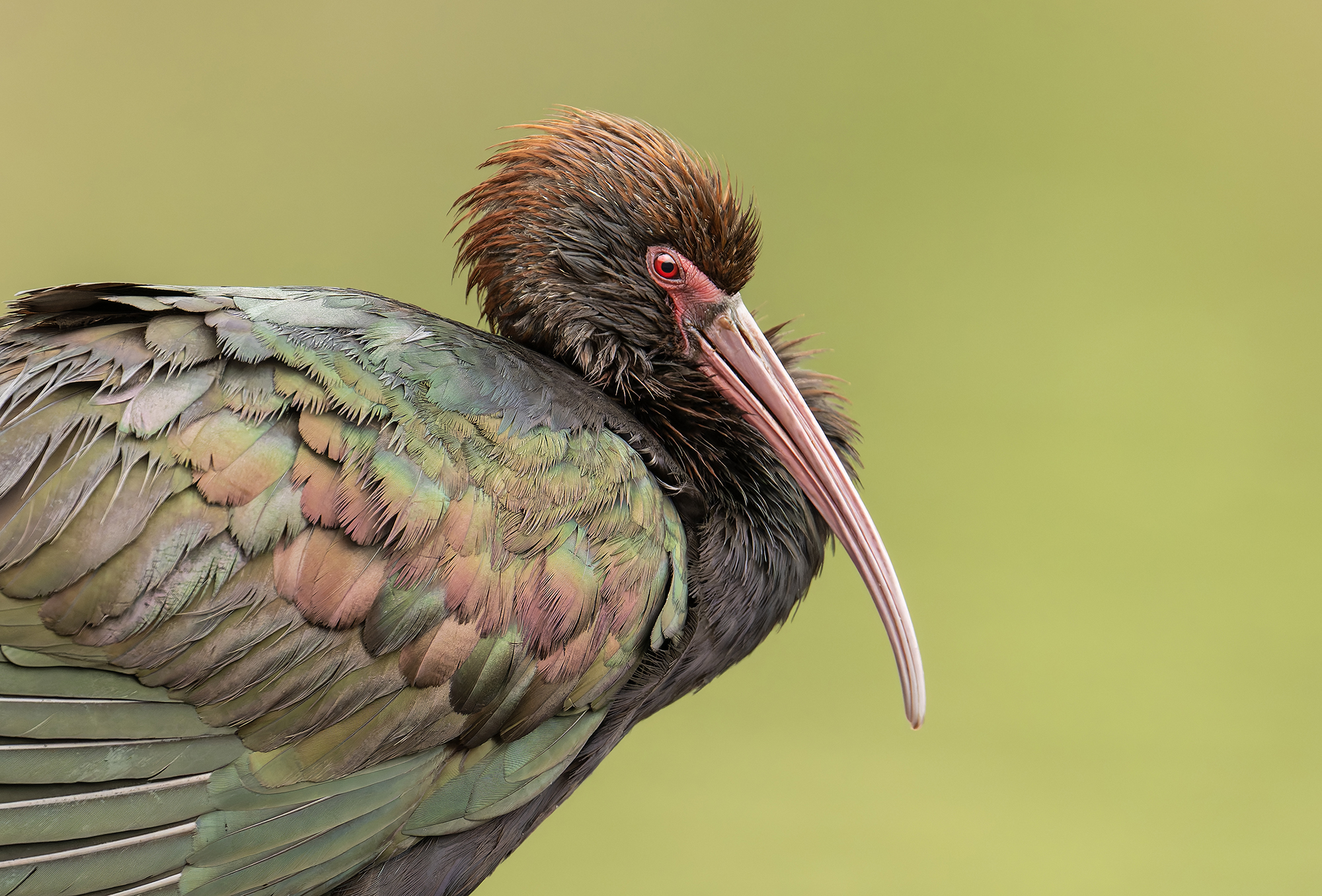
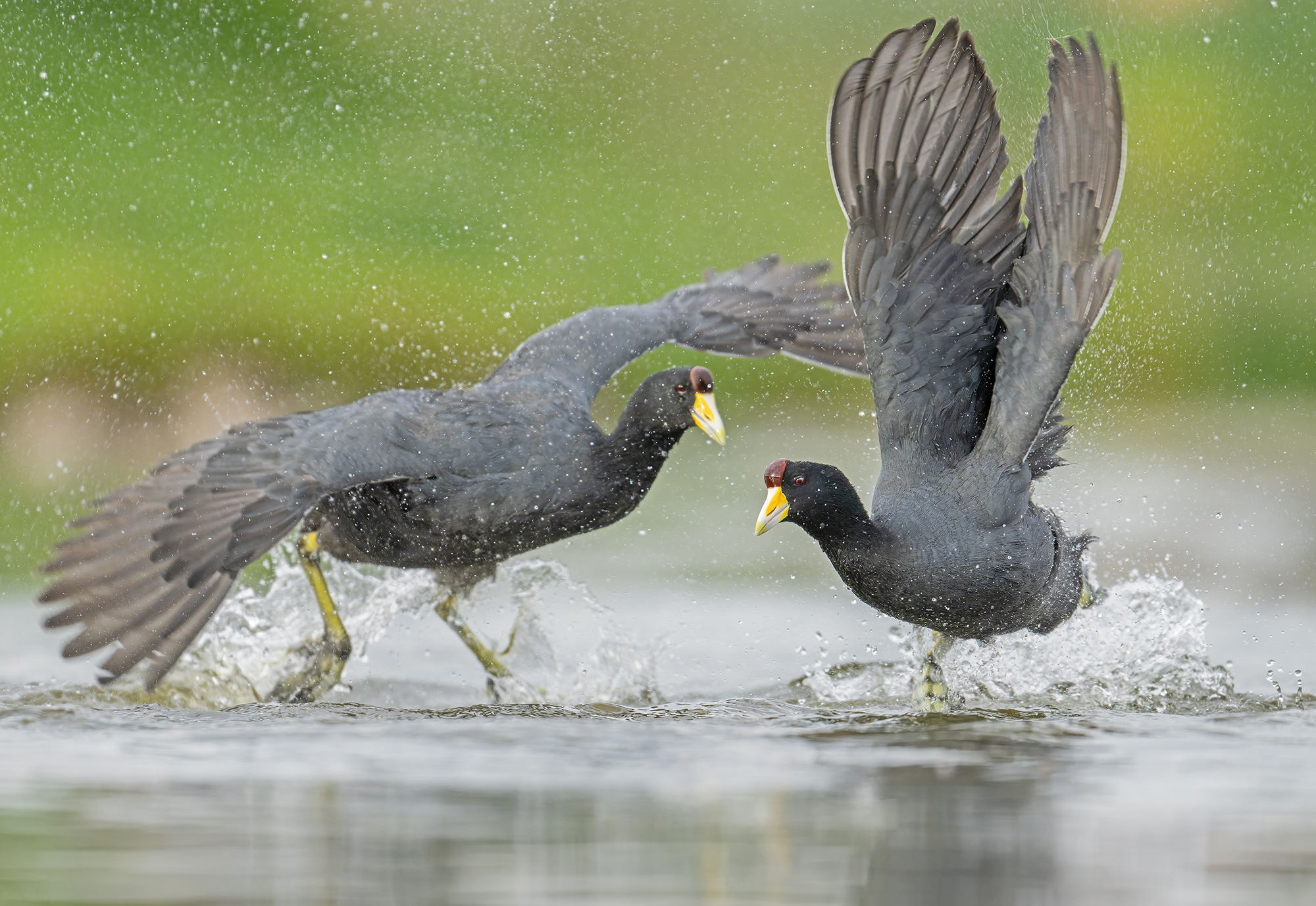
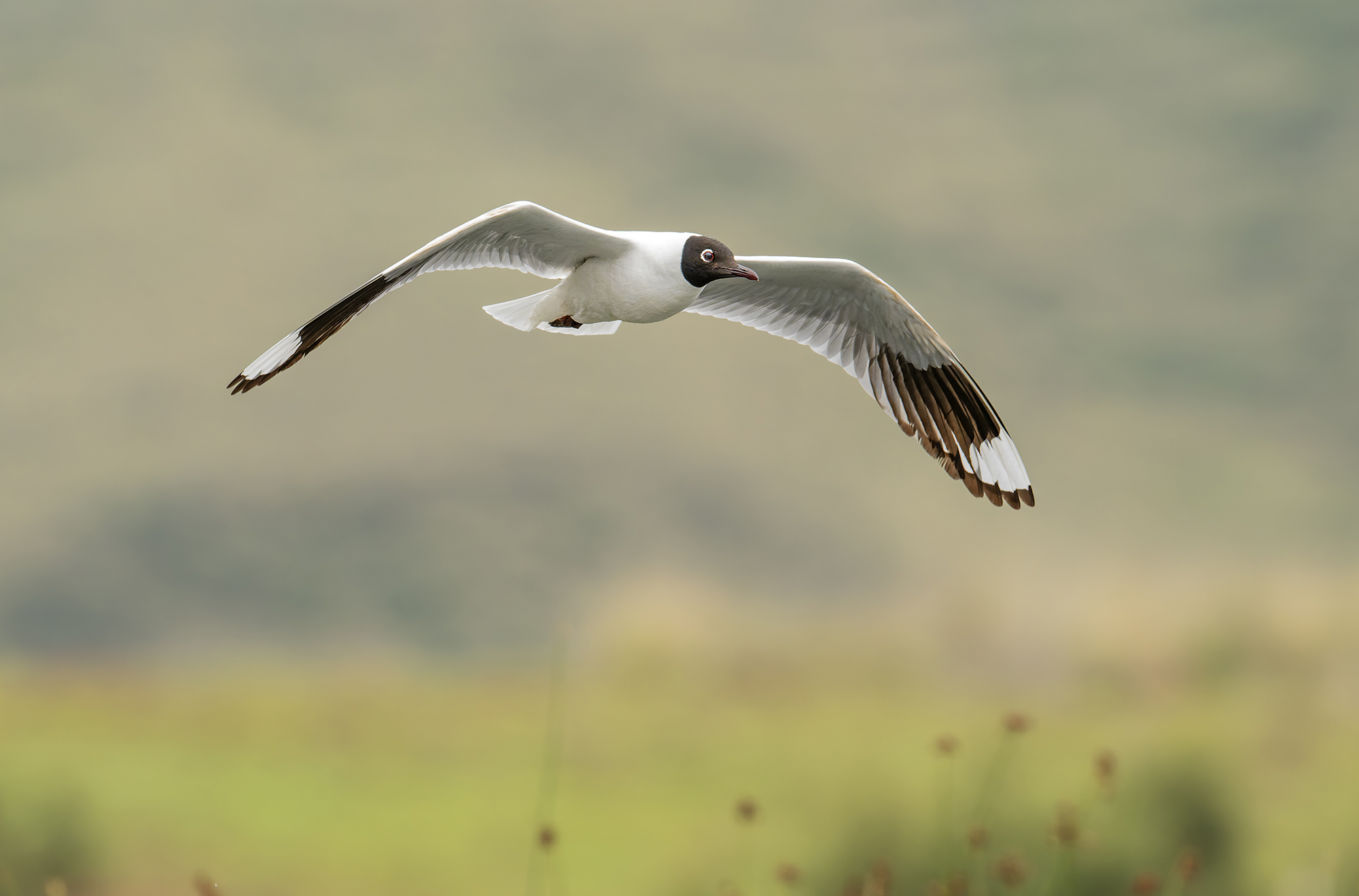
At the small lake, it was crowded and noisy with birds. Slate-colored Coots were chasing each other in the water, Puna Ibises and Andean Gulls were nesting on the small reed patches in the middle of the lake and occupied with feeding the hungry youngsters.
Andean Goose
One of our highlights at Huayllarcocha was photographing a pair of Andean Geese with their young chicks. There were a lot of chicks and they seemed to have recently hatched as they were still so small.
The Andean Goose is an iconic species in the high Andeas regions. It is easy to recognize with its white body, black wingtips, orange legs and small orange bill. Most of the times they are in pair, as they mate for life. Unlike many other geese, the Andean Goose is not a migratory species – it is a year-round resident of the high Andes (Peru, Bolivia, Argentina and Chile), living at altitudes between 3,000 and 5,000 meters. It feeds mainly on grasses around alpine lakes and wetlands and has a specially adapted blood system, a mutation in their hemoglobin to be exact, that allows it to take up oxygen efficiently in the thin mountain air.
We enjoyed observing and photographing the couple and their fluffy chicks in and around the water.

Andean Duck
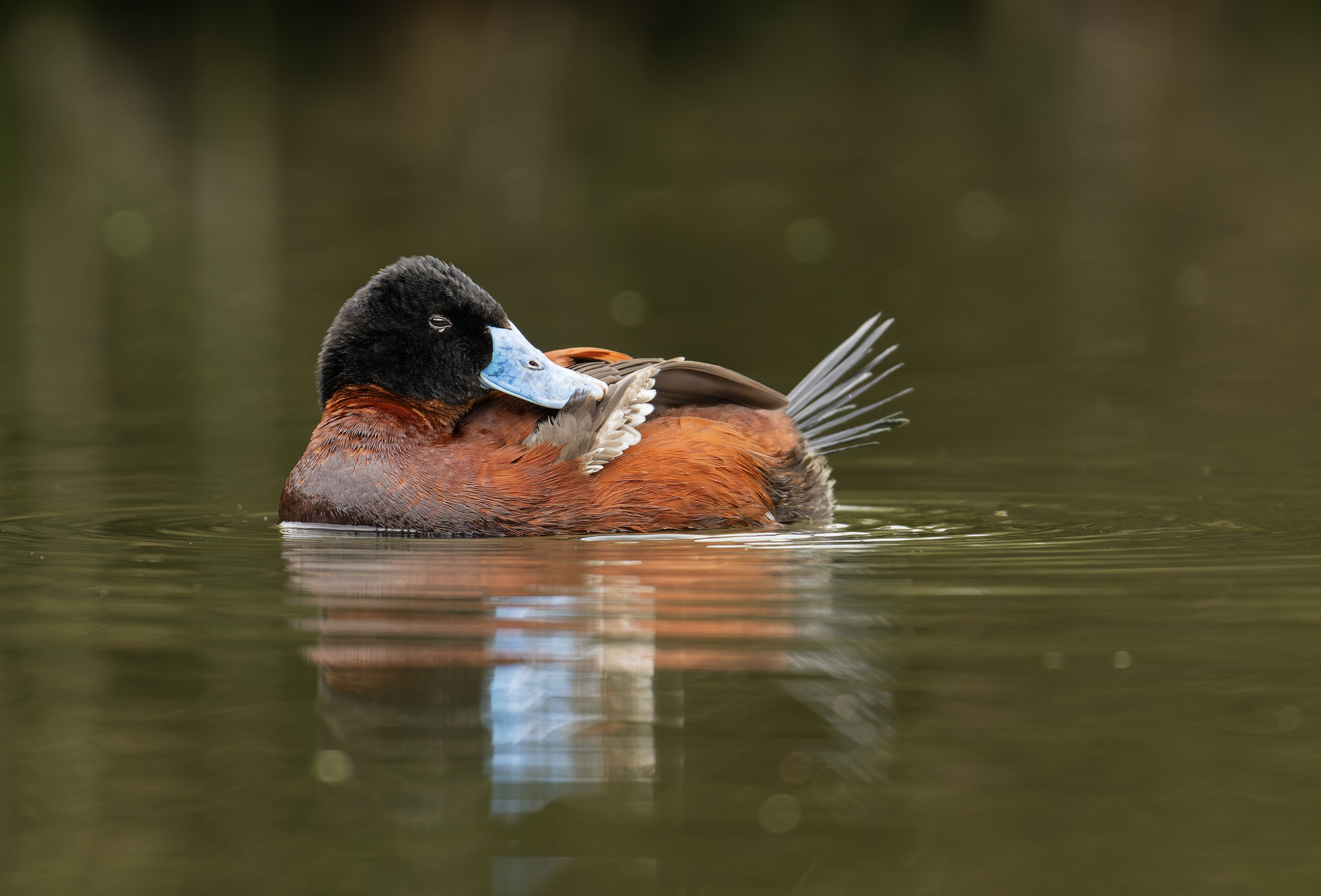
Another nice photography moment we had with the Andean Ducks. The males are especially eye-catching with their chestnut plumage, bright blue bill and perky upright tail. A male was doing its typical display to impress a female. During the courtship, the male beats his chest with his bill to produce a drumming sound, while raising his tail. An amusing sight!
The Andean Duck is also a typical species of the high Andes, ranging from Colombia and Ecuador down through Peru, Bolivia, Chile, and Argentina, although it has a Northern American cousin: the Ruddy Duck. It feeds mainly on aquatic plants, seeds, and small invertebrates, diving skillfully to forage below the surface. They are usually seen in pairs or small groups, often keeping close to the water’s edge.
On the shores of the small lake we saw a flock of Hooded Siskins feeding on grass seeds and a nice pair of Peruvian Sierra Finches. Adding to the Andean atmosphere, a small group of alpacas with a curious newborn were grazing around us, while Andean Gulls sailed above us with their loud calls.
We’ve put together a YouTube video about our visit to Huayllarcocha, where we share tips for photographing waterbirds and more photo and video highlights from this unique spot.
Would you like to join us for a photography or birding morning at Huayllarcocha? You can find the tour description in our Short Photography and Birding Tours Cusco. Feel free to contact us for prices and a detailed itinerary.
Written by Eva Wu – Photos: Steve Sanchez
References:
Birds of the World
Company Address:
Kuntur Nature and Adventure EIRL
Av. Industrial Conj. Hab. FOVIPOL. Nr 104
Santiago – Cusco – Peru
This website uses cookies to ensure security and improve functionality.
Kuntur Birding © 2026 All Rights Reserved