
Blog
Birding in Peru: A Guide to Birds, Habitats and Top Birding Regions
Peru is widely recognized as one of the world’s premier birding destinations, boasting more than 1,900 recorded bird species and an extraordinary variety of natural habitats. Located in western South America, the country offers exceptional opportunities for birdwatching, from the Pacific coast and the high Andes to dense cloud forests and the Amazon rainforest.
For birdwatchers interested in discovering endemic and near-endemic species, birding in Peru offers an exceptional combination of biodiversity, unique ecosystems and outstanding birding locations. Its varied geography makes it possible to explore multiple habitats and observe distinct bird communities within a single itinerary.
Why Is Peru One of the World's Top Birding Destinations?
Peru is internationally recognized for its extraordinary bird diversity. Its location along the western edge of South America, together with the Andes Mountains and the Amazon Basin, creates a remarkable range of ecosystems and habitats.
The country is home to more than 1,900 bird species, including numerous endemic and near-endemic birds. Some species have very restricted distributions and can only be found in specific regions or habitats.
This diversity makes Peru particularly attractive for birdwatchers looking to observe rare species, explore different ecosystems and discover some of South America’s most remarkable birding locations.
Among the main reasons to choose Peru for a birding trip are:
- Exceptional bird diversity, with more than 1,900 recorded species.
- Numerous endemic and near-endemic birds.
- A wide variety of habitats, from coastal deserts to Amazonian forests.
- Important birding regions across northern, central and southern Peru.
- Opportunities to combine birdwatching with cultural experiences and visits to archaeological sites.
Peru's Main Birding Habitats
One of the most interesting aspects of birdwatching in Peru is the variety of habitats found throughout the country. Changes in altitude, climate and vegetation create different environments, each supporting its own bird species.
Pacific Coast and Coastal Desert
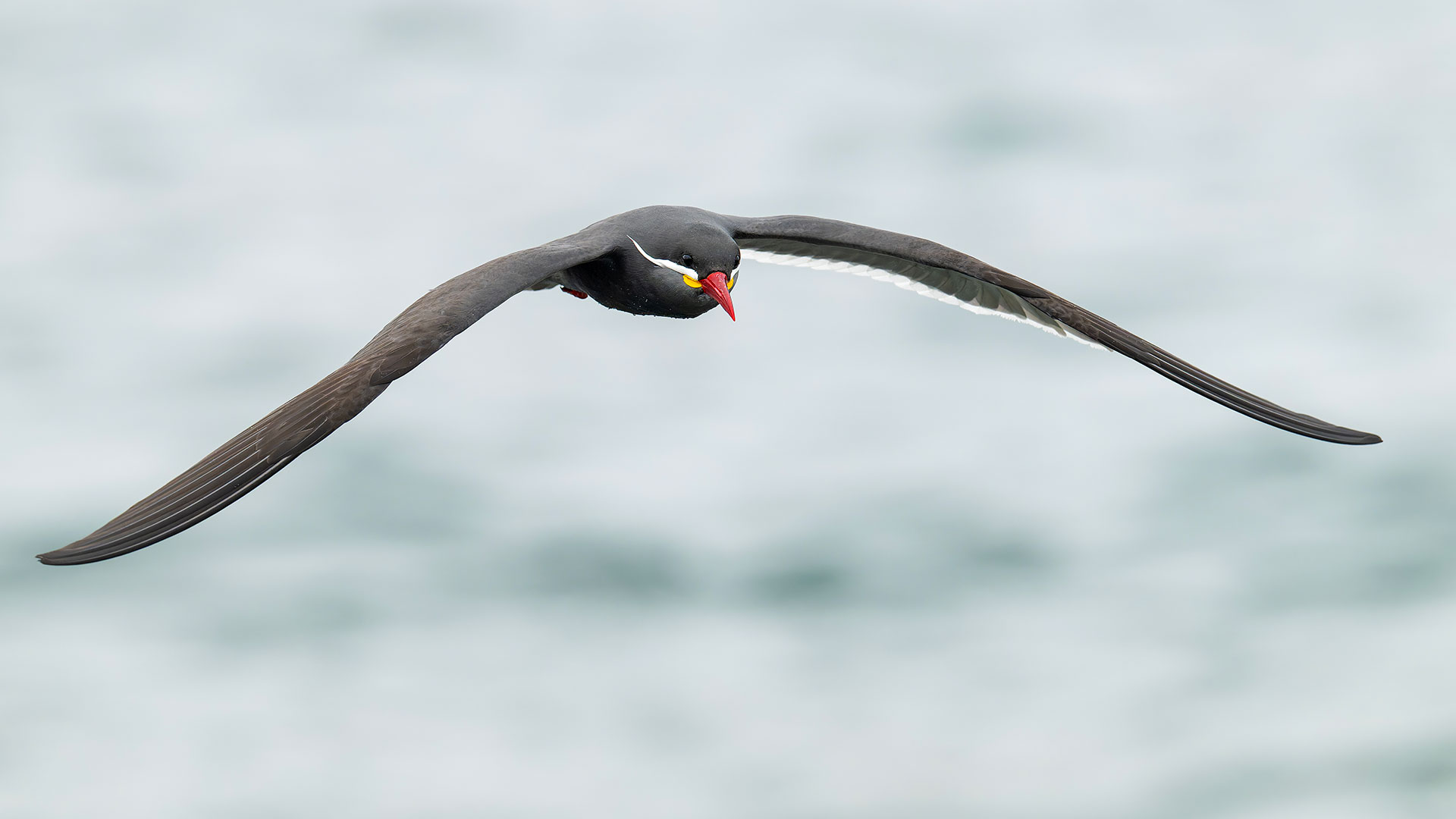
The Pacific coast and coastal desert offer a different birding experience from the forested regions of Peru. Coastal wetlands, beaches and marine environments attract shorebirds, seabirds and other species adapted to arid landscapes.
Near Lima, locations such as the Pantanos de Villa wetlands provide opportunities to observe resident and migratory birds. These areas are particularly interesting for travelers with limited time who want to include birdwatching in a visit to the Peruvian capital.
The Andes and High-Altitude Habitats
The Andes Mountains are home to a variety of high-altitude ecosystems, including puna grasslands, mountain valleys and Polylepis forests.
These habitats support specialized bird species, including several endemics and birds with restricted ranges. Locations such as Abra Málaga and Lake Junín are particularly important for birdwatching in the Peruvian Andes.
Andean Cloud Forests
The eastern slopes of the Andes are covered by humid montane forests and cloud forests, which support an extraordinary diversity of birds.
These environments are particularly rewarding for observing hummingbirds, tanagers, antpittas and other forest species. The transition between different elevations also creates opportunities to observe a succession of bird communities along a single route.
The Amazon Rainforest
The Peruvian Amazon is one of the country’s richest regions for bird diversity. Its extensive forests, rivers, oxbow lakes and river islands provide habitats for a wide variety of Amazonian species.
Different forest types support specialized bird communities, including species associated with white-sand forests, flooded forests and terra firme ecosystems.
Best Birding Regions in Peru
Peru offers several outstanding birding regions. Northern, central and southern Peru each have distinctive landscapes and bird communities, while the Amazon region provides additional opportunities to explore specialized habitats.
Northern Peru: Endemic Birds and Hummingbird Diversity
Northern Peru is particularly well known for its remarkable bird diversity and endemic species. Its landscapes extend from the Pacific coast and dry valleys to the Andes, cloud forests and Amazonian habitats.
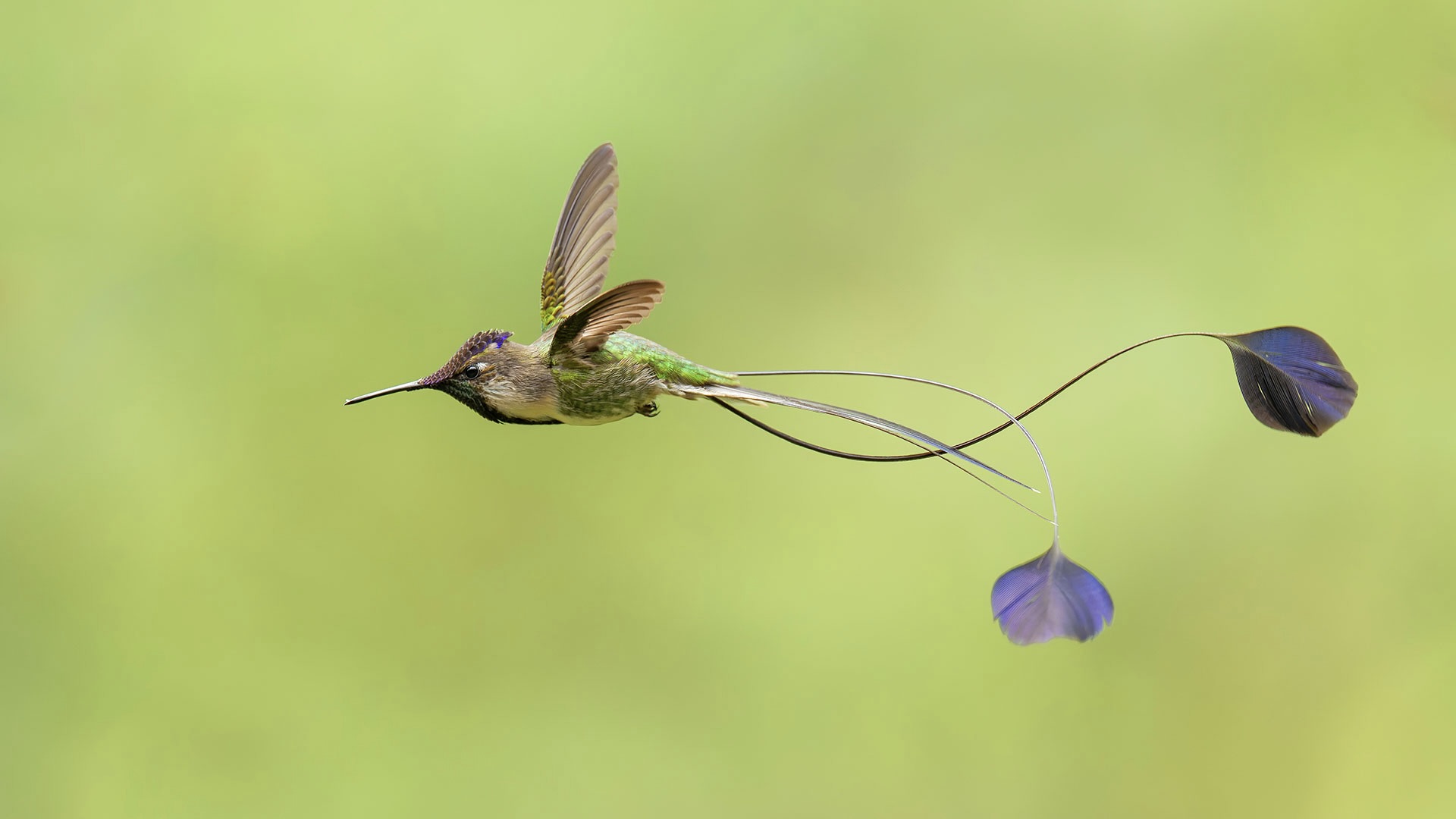
The region is especially interesting for birdwatchers looking for hummingbirds and species with restricted distributions. One of its best-known birds is the Marvelous Spatuletail, an iconic hummingbird found in northern Peru.
A birding trip through northern Peru offers the opportunity to explore several ecosystems and search for some of the country’s most distinctive bird species.
Explore our Northern Peru Birding Tour, a 16-day itinerary that crosses different landscapes, from desert and mountains to valleys, cloud forests and the Amazon region.
Central Peru: High Andes, Polylepis Forests and Endemic Species
Central Peru offers exceptional birding opportunities across a variety of high-altitude and montane habitats. The region includes dry Andean valleys, puna grasslands, Polylepis forests, lakes, elfin forests and cloud forests.
Lake Junín is one of its most important birding locations and is home to the endemic Junín Grebe and Junín Rail. Other notable species can be found around Bosque Unchog and along the Satipo Road.
The region is particularly rewarding for birdwatchers interested in endemic birds and species with restricted ranges.
Our Central Peru Birding Tour is a 17-day journey across the central Andes, visiting locations such as Lake Junín, Bosque Unchog and the Satipo Road.
Southern Peru: Abra Málaga, Manu and the Amazon
Southern Peru combines some of the country’s most remarkable Andean and Amazonian birding environments. The region is particularly known for the transition between high-altitude habitats, cloud forests and lowland rainforest.
Abra Málaga, near Cusco, is an important high-altitude birding location, with Polylepis forests and opportunities to search for several endemic and specialized Andean species.
Further east, the famous Manu Road descends through different elevations and ecosystems towards the Amazon lowlands. This transition creates an exceptional variety of habitats and bird species along a single route.
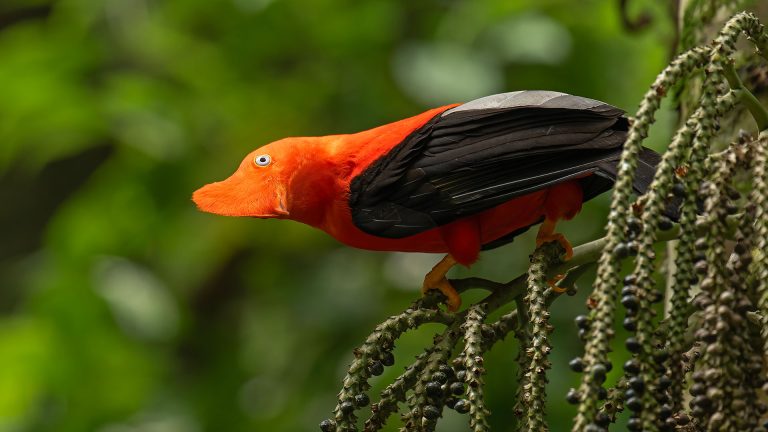
Manu National Park is one of South America’s most important biodiversity areas and is home to more than 1,000 bird species. Among its notable birds are the Andean Cock-of-the-Rock, King Vulture, colorful tanagers, macaws, hummingbirds and several antpittas.
Our Southern Peru Birding Tour explores Abra Málaga and Manu National Park over 15 days, combining high-Andean birding with cloud forest and Amazonian habitats.
Travelers interested in combining birdwatching with cultural exploration can also consider our Cusco and Machu Picchu Birding & Cultural Tour or the longer 12-day Birding & Cultural Tour.
For a more exclusive experience, our Luxury Birding Tour in Southern Peru combines birding in the Andes and Amazon with comfortable accommodation and a visit to Machu Picchu.
Peruvian Amazon: Birding Around the Amazon River
The Peruvian Amazon offers a different birding experience, with extensive lowland forests, river islands, white-sand forests and other specialized habitats.
Around Iquitos, the meeting of major rivers and the diversity of surrounding ecosystems create excellent opportunities to observe Amazonian birds. The Allpahuayo-Mishana Reserve is particularly interesting for its white-sand forests and specialized bird species.
Our Amazon River Peru Birding Tour is a 12-day itinerary exploring the habitats around Iquitos, including river islands, white-sand forests and terra firme rainforest.
Endemic Birds of Peru
One of the main attractions of birding in Peru is the opportunity to observe endemic and near-endemic bird species. Many of these birds have restricted distributions and are associated with particular ecosystems or geographical regions.
Some notable examples include:
- Marvelous Spatuletail: an iconic hummingbird of northern Peru.
- Junín Grebe: an endemic species associated with Lake Junín in central Peru.
- Inca Flycatcher: a species found in the southern Peruvian Andes and surrounding cloud forest habitats.
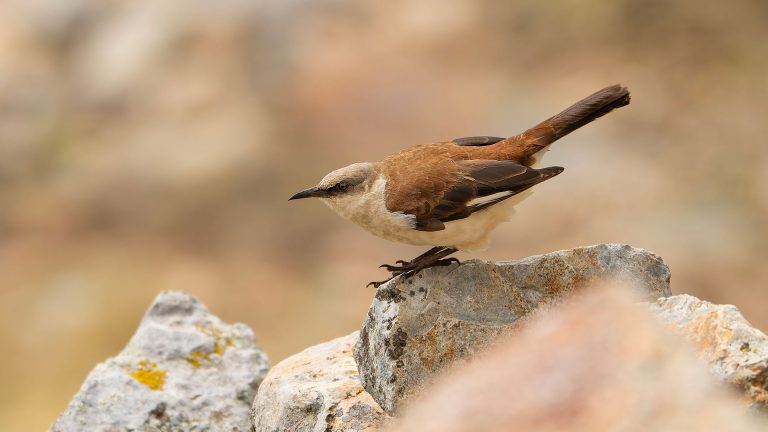
- White-bellied Cinclodes: a highly specialized high-Andean species associated with restricted habitats.
- Iquitos Gnatcatcher: an endemic species associated with the white-sand forests near Iquitos.
The best locations to search for these and other endemic birds vary according to their distribution and habitat preferences. Exploring different regions is one of the most rewarding aspects of a birding trip through Peru.
Best Time for Birding in Peru
Birding is possible throughout the year in Peru, although the best time to visit depends on the region, altitude and species you want to observe.
The northern, central and southern Andes have different seasonal conditions, while the Amazon has its own rainfall patterns and river cycles.
As a general reference, Kuntur Birding’s current itineraries indicate the following recommended seasons:
Region / Tour | Recommended season |
Northern Peru | April to November |
Central Peru | May to November |
Southern Peru and Manu | April to December |
Amazon River and Iquitos | April to November |
These periods are useful starting points when planning a birding trip. Specific travel dates should be considered according to the destination and itinerary.
Short Birding Tours in Lima and Cusco
Not every birdwatching experience in Peru requires a multi-day expedition. Travelers visiting the country for business, cultural activities or a longer holiday can also include shorter birding experiences.
Around Lima, the coastal wetlands and surrounding areas offer opportunities to observe shorebirds, seabirds and other interesting species. Explore our Short Birding Tours around Lima.
In Cusco, high-Andean wetlands, the Sacred Valley and nearby mountain habitats provide opportunities to observe endemic birds and hummingbirds. Discover our Short Birding Tours around Cusco, with experiences ranging from half-day excursions to two-day trips.
Explore Our Peru Birding Tours
From the cloud forests of northern Peru to the high Andes, Manu National Park and the Amazon rainforest, Peru offers outstanding opportunities for birdwatchers interested in discovering diverse habitats and endemic species.
At Kuntur Birding, we offer specialized birding tours in Peru, with carefully designed itineraries covering some of the country’s most remarkable birding regions. Whether you are interested in endemic species, high-altitude birds, hummingbirds or Amazonian wildlife, our tours provide opportunities to explore Peru’s extraordinary bird diversity.
Explore our [Peru Birding Tours] to discover our itineraries or contact our team to discuss a customized birding trip based on your interests and travel plans.
Frequently Asked Questions About Birding in Peru
How many bird species can be found in Peru?
Peru has more than 1,900 recorded bird species, making it one of the world’s most diverse countries for birdwatching.
What are the best places for birding in Peru?
Some of the country’s most important birding regions include northern Peru, the central Andes, Abra Málaga, Manu National Park and the Peruvian Amazon around Iquitos. Each offers different habitats and bird species.
What is the best time of year for birding in Peru?
Birding is possible throughout the year. The best period depends on the region and the species you want to observe. Many of Kuntur Birding’s current itineraries operate between April and December.
Where can I see endemic birds in Peru?
Endemic birds can be found across several regions. Northern Peru is known for species such as the Marvelous Spatuletail, while central Peru offers opportunities to search for the Junín Grebe and other restricted-range species. Southern Peru and Manu also host several endemic and near-endemic birds.
Are there birding tours in Peru for travelers with limited time?
Yes. Kuntur Birding offers short birding experiences around Lima and Cusco, ranging from half-day excursions to two-day tours.
Can I combine birding with cultural experiences in Peru?
Yes. Some itineraries combine birdwatching with visits to Cusco, the Sacred Valley and Machu Picchu, allowing travelers to experience Peru’s natural and cultural heritage during the same trip.
Company Address:
Kuntur Nature and Adventure EIRL
Av. Industrial Conj. Hab. FOVIPOL. Nr 104
Santiago – Cusco – Peru
This website uses cookies to ensure security and improve functionality.
Kuntur Birding © 2026 All Rights Reserved